Kew Gardens: Royal Botanic Gardens
Take a breath of fresh air in the Royal Botanic Gardens at Kew Gardens!
From
6 €

AllTrippers
 Tourism
Free museums, parks, Harry Potter, animals, landmarks and theme parks: London offers plenty of things to do with children, but not every activity is suitable for every age or every trip.
With young children, it is often better to alternate a visit with a park or playground. With older children and teenagers, you can easily add historic landmarks, immersive experiences or more active attractions. And to keep costs down, several of London's major museums are free.
Age is a useful starting point when planning your itinerary:
These age groups are only a guide: a child who loves dinosaurs, history or Harry Potter may obviously enjoy some attractions much earlier or later.
advertisement
London makes it possible to plan several family days without paying an admission fee every time. The permanent collections of many major national museums are free to visit, although some exhibitions and activities require a paid ticket.
With young children, do not try to explore a large museum from top to bottom. Choose two or three galleries that interest them and leave time for a break or a visit to a park.
For fans of the series, the Warner Bros. Studio Tour London - The Making of Harry Potter offers the chance to see sets, costumes, props and special effects used in the films.
The tour is suitable for all ages and children aged 4 and under can enter free of charge, although they still need a ticket. The Studio Tour is in Leavesden, outside central London, so allow time for transport and plan to spend a substantial part of the day there.

Leaving some time without a scheduled attraction generally makes a family trip more enjoyable, particularly with young children. London has enough parks and free activities to alternate easily with paid attractions.
With pre-teens or teenagers, London also offers several more active experiences.

These parks are not in central London. They are most worthwhile if you have a full day available and the park genuinely suits the age of your children.

Rain does not have to be a major problem in London if you keep a few indoor activities in your itinerary. The Natural History Museum and Science Museum are particularly convenient because they are next to each other in South Kensington.
SEA LIFE London, Madame Tussauds, Frameless, Shrek's Adventure!, the London Transport Museum and the British Museum are also good options. The Warner Bros. Studio Tour can fill much of a day, but you will need to book your ticket and arrange transport in advance.
Avoid booking every day hour by hour. Keeping a flexible indoor activity in reserve makes it easier to adapt your plans to the weather and your children's energy levels.
A sightseeing pass can be worthwhile if several paid attractions are already part of your plans. It does not automatically save you money: compare the cost of the pass with the individual tickets your family actually needs before buying.
The Go City London Pass is available for 1 to 10 days. During that period, you can visit as many included attractions as your itinerary allows. It is best suited to trips where you plan to visit several paid attractions each day.
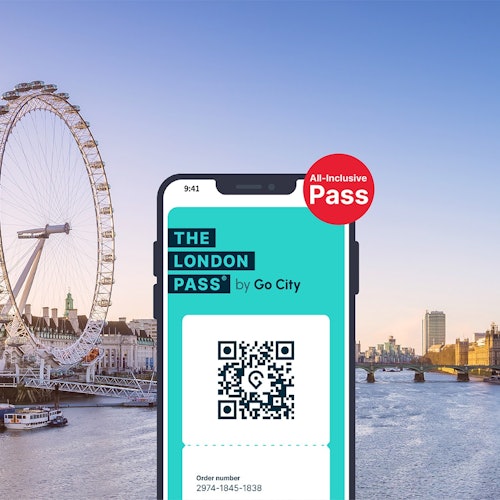
The London Explorer Pass works differently: you choose a pass covering 2 to 7 attractions, then select your visits as you go. After the first use, you have 30 days to visit your remaining attractions.
It is generally easier to fit into a family trip when you have a few specific paid attractions in mind and want to keep the rest of your days less structured.
The Merlin pass for London visitors lets you combine several Merlin attractions, including the London Eye, Madame Tussauds, SEA LIFE London, Shrek's Adventure! and London Dungeon. It is most relevant if several of these attractions are already on your itinerary.
Before choosing a pass, check which attractions are included and whether advance time-slot reservations are required. Offers and conditions can change.
With children, the best area is not necessarily the one at the exact centre of the map. Having an Underground or railway station close to your accommodation and simple journeys to the places you plan to visit is often more important.
Kensington and South Kensington are convenient for the major museums and parks. Greenwich works well for families looking for somewhere slightly less central, provided the journeys suit your itinerary. Other neighbourhoods can be just as suitable depending on the attractions you choose.
An apartment or aparthotel can be convenient if you want a kitchen, more space or the option of eating some meals at your accommodation. Platforms and accommodation providers operating in London include Airbnb, Plum Guide, Citadines and Natives.
Chains such as Holiday Inn, Premier Inn and Travelodge also offer family rooms at many properties. Check the exact room capacity when booking, as it varies by hotel and the age of the children.
advertisement
Eating out with children is generally easy in London. Many chains, pubs and restaurants offer children's menus and high chairs, although facilities and conditions vary by venue.
You may also come across Kids eat free offers, where a child's meal is free under certain conditions. These promotions change regularly, so always check the maximum age, eligible days, minimum spend and participating restaurant before you go.
With young children, booking a restaurant close to the final attraction of the day also avoids adding another journey just as everyone starts getting tired.
The time of year can also completely change your itinerary. Towards the end of the year, our guide to Christmas in London with children covers festive lights, visits to Santa, markets and activities organised during the Christmas season. In October, you can also find Halloween activities in London with children, with family-friendly ideas offering different levels of scares.
Yes. Free museums, large parks, public transport and the number of family attractions make it easy to adapt a trip to different ages. The main risk is trying to fit too many visits into a single day.
The Natural History Museum, Science Museum, British Museum and National Maritime Museum have permanent collections that are free to visit. London's large parks and the Diana Memorial Playground also provide activities that do not require a ticket.
Parks and playgrounds, the London Transport Museum, SEA LIFE London, the zoo and the Natural History Museum are good places to start. Most importantly, keep days relatively short and leave enough time between activities.
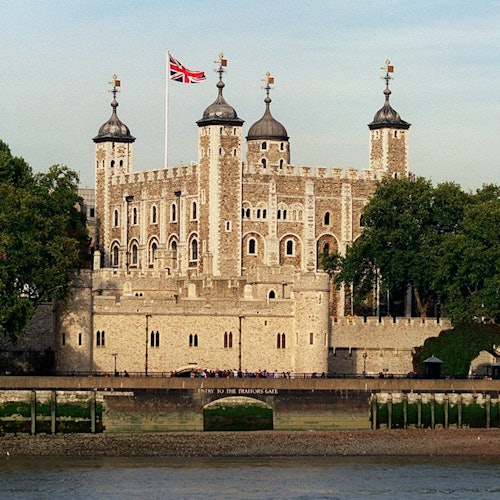
Teenagers may enjoy historic attractions such as the Tower of London, immersive experiences, Up at The O2, activities on the Thames or the London Dungeon if they enjoy darker themes. The Warner Bros. Studio Tour also remains very popular with Harry Potter fans of all ages.
A three- or four-day stay already gives you enough time to combine several major sights, a museum and some time in the parks. With five days or more, it becomes easier to slow down or add an excursion such as LEGOLAND Windsor or the Warner Bros. Studio Tour.
Not necessarily. A pass becomes worthwhile when its price is lower than the cost of the attractions you were already planning to visit. Calculate the cost separately for adults and children and make sure your family's priority attractions are included.
To visit London with children without exhausting the whole family, alternate one or two major visits with more flexible activities. Free museums and parks help keep costs down, while paid attractions can be chosen according to your children's ages and interests.
The Natural History Museum, Science Museum, Tower of London, London Transport Museum, zoo, SEA LIFE and Harry Potter are all reliable family choices, but the best itinerary is one that leaves enough time to eat, play, rest and change your plans when necessary.
Planning your trip? These are the tours and tickets travellers book most.